November 24, 2026
When fallen branches need urgent professional attention
By @rootsandbranches
Recognising when a fallen branch is more than a nuisance
After a storm passes, the first instinct is often to step outside and start clearing. A broken limb on the lawn or a branch leaning against the house looks like a straightforward job. But not every fallen branch is a simple cleanup task. Some situations call for someone with the right gear and experience, especially when the damage involves large trees, compromised structures, or safety risks that are not obvious at first glance. Knowing the difference between a branch you can drag to the curb and one that needs professional attention can save you time, money, and a lot of trouble.
What makes a fallen branch urgent
A branch that has snapped off completely and is lying on the ground is often harmless. You can cut it up and move it without much thought. Urgency comes into play when the branch is still partly attached, hanging overhead, or resting against something it could damage further. A limb that is caught in the canopy, dangling by a strip of bark, can fall without warning hours or even days after the storm. Wind gusts, rain, or simply the weight of the wood can bring it down. That kind of delayed hazard is one of the most common reasons people call for help.
Another urgent scenario is when a branch is pressing against a power line, a roof, or a fence. The weight of the wood can cause structural damage that worsens over time. A branch leaning on a roofline might not break through immediately, but it can shift tiles, loosen flashing, or create a leak that shows up later. If the branch is touching a power line, the risk is obvious and serious. No one should attempt to remove that themselves. Even if the line looks dead, it may still be energised. That is a job for the utility company or a qualified arborist who knows how to work near electricity.
Signs that a tree is unstable after a storm
Sometimes the fallen branch is just a symptom of a bigger problem. The tree itself may have been weakened by the storm in ways that are not visible from the ground. Cracks in the trunk, exposed roots, or soil that has heaved around the base are all indicators that the tree might not be safe. A lean that was not there before the storm is another red flag. If the ground is saturated from heavy rain, the root system may have lost its grip. A tree that looks intact but has a compromised root plate can fall without any additional wind. That kind of situation needs an assessment from someone who understands tree mechanics and can judge whether the tree can stay or should come down.
You might also notice bark that has peeled away from the trunk or branches that are split but still hanging. These are signs of internal damage that may not heal. A tree with a large split in the main trunk is structurally unsound and likely to fail. Waiting for it to heal on its own is not a realistic option. In many cases, the safest move is to remove the tree before it causes damage to your home or injures someone.
Why DIY removal can go wrong
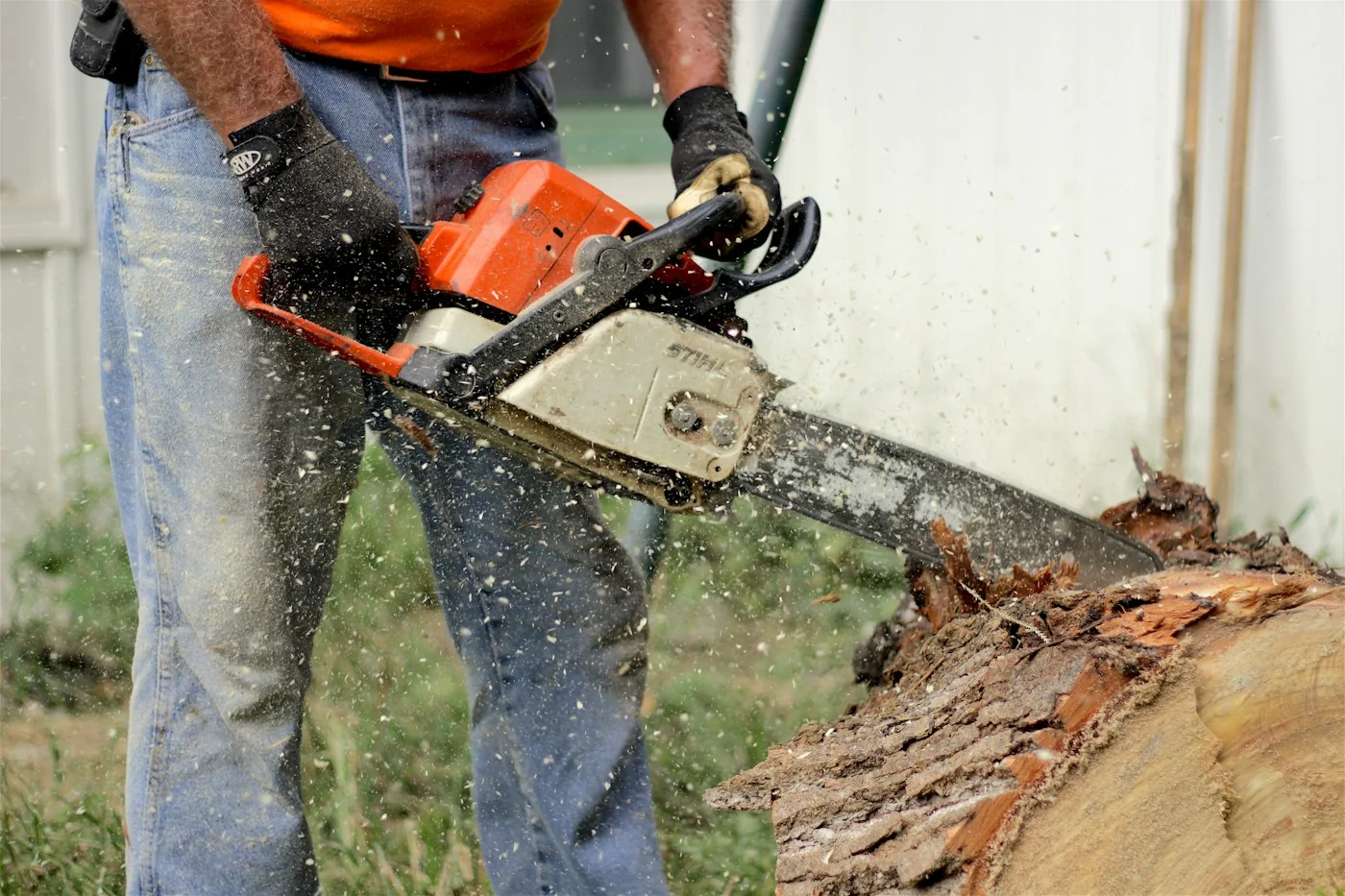
There is no shortage of online videos showing people cutting up storm debris with a chainsaw. What those videos do not show is how quickly things can turn dangerous. A branch that is under tension, bent or pinched by the weight of other limbs, can spring loose when cut. That is called a bind or a pinch, and it has caused countless injuries. Even experienced arborists take care to read the tension in a branch before making a cut. Without training, it is easy to misjudge how the wood will move.
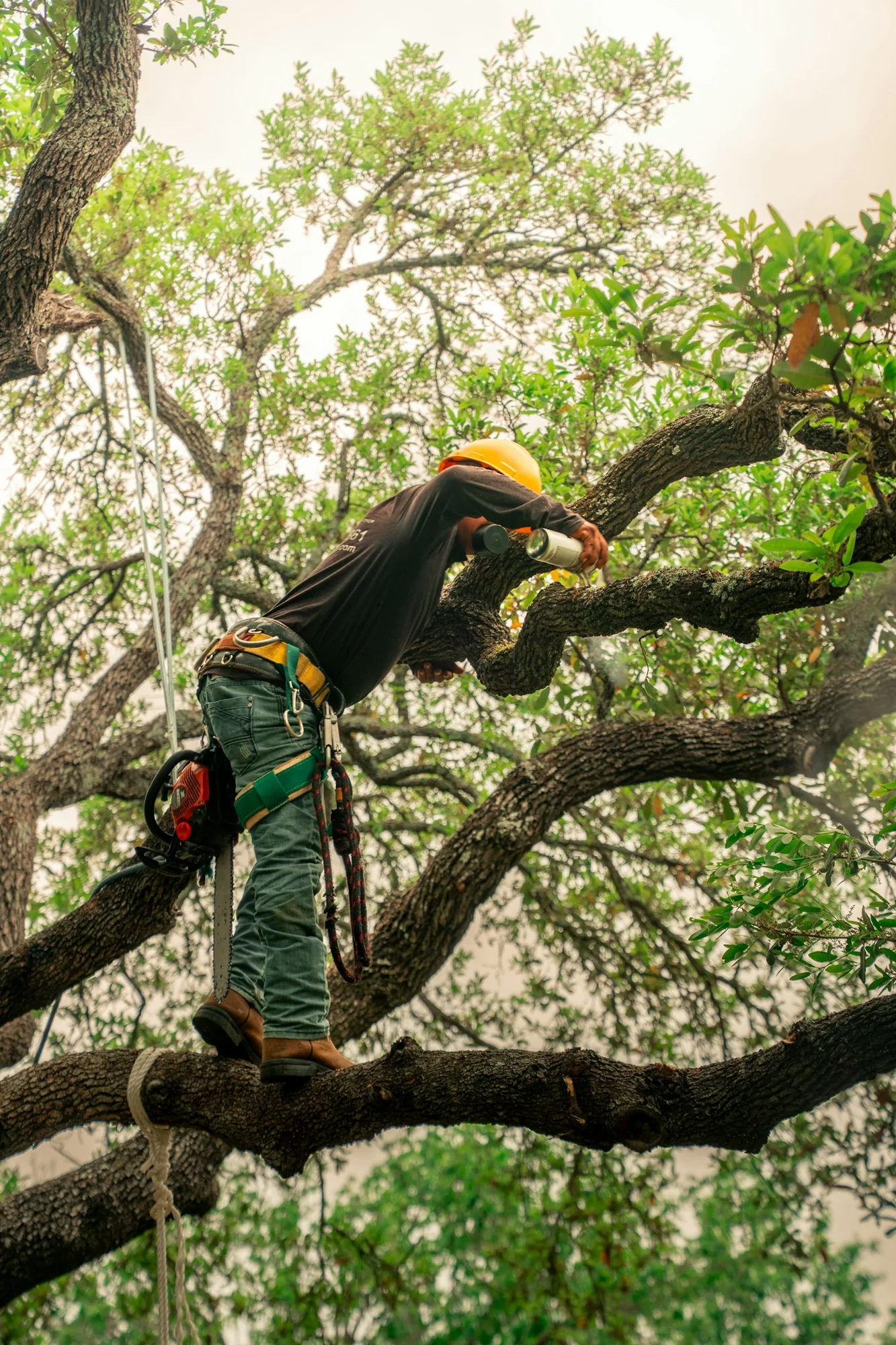
Height is another factor. A branch that is out of reach from the ground requires a ladder, and working with a chainsaw on a ladder is one of the most hazardous combinations in tree work. The risk of falling, losing control of the saw, or having the branch swing into you is high. Professionals use ropes, harnesses, and often a bucket truck to reach high limbs safely. They also have the equipment to lower branches in sections, so nothing drops unexpectedly. For a homeowner, the same job might involve cutting a branch that then crashes through a fence or lands on a garden shed.
What a professional storm tree cleanup involves
When you call a team that handles storm tree cleanup, they start by assessing the site. They look at the tree, the fallen branches, the surrounding structures, and the ground conditions. They identify hazards like hanging limbs, cracked trunks, and trees that are leaning. Then they plan the order of work, often starting with the most dangerous items first. That might mean rigging a rope to lower a broken limb that is caught in the canopy, or using a crane to lift a large trunk section off a roof.
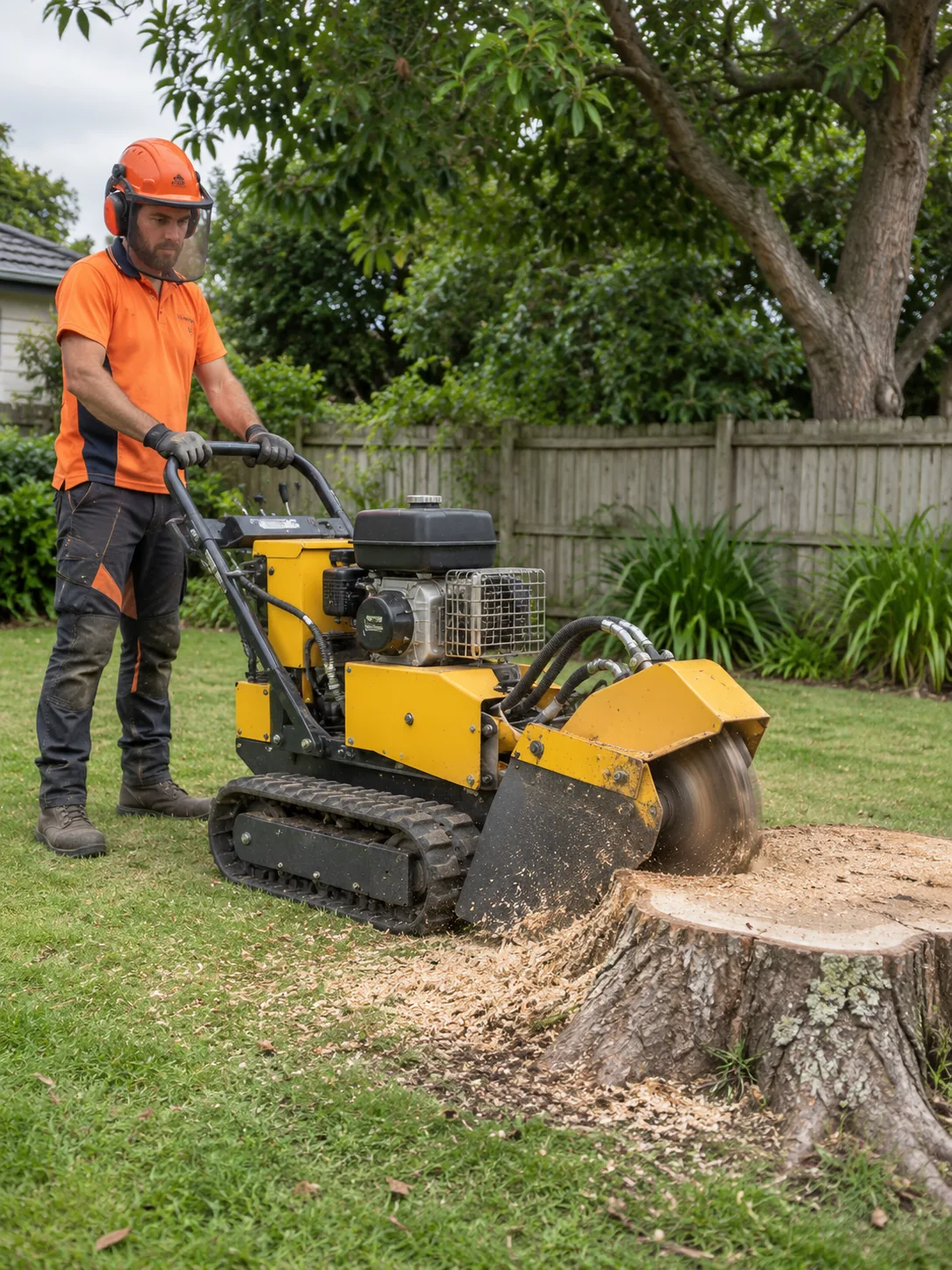
Once the immediate hazards are dealt with, the cleanup moves to the rest of the debris. Branches are cut into manageable lengths, and the wood is either chipped on site or hauled away. Stumps may be ground down if requested, but that is usually a separate job. A thorough cleanup also includes raking up smaller debris and leaving the property in a safe, tidy condition. That level of service is what you get from a company like Tree Removal Gisborne when they handle storm damaged trees. They have the equipment and the experience to manage the whole process, from the initial assessment to the final sweep.
When to call rather than clear
If a fallen branch is small enough to lift and the tree it came from looks healthy, you can probably handle it yourself. But if the branch is larger than your arm, if it is caught in the canopy, if the tree shows signs of damage, or if the ground around the tree is soft and uneven, it is worth bringing in a professional. The cost of a consultation or a removal is small compared to the cost of a hospital visit or a roof repair.
Another good time to call is when you are not sure what you are looking at. A tree that has lost a few small branches might be fine, but a tree that has lost a large limb may have hidden cracks or decay. An arborist can inspect the tree and give you an honest opinion. They can tell you whether the tree needs to come down or whether it can recover with some pruning and time. That kind of advice is valuable, especially if you are attached to the tree and would rather save it if possible.
If you live in an area that gets frequent storms, it is also wise to have a relationship with a tree service before you need one. That way, when a storm hits, you know who to call and you are not scrambling to find someone while everyone else is doing the same. A company that handles Tree Removal Gisborne storm damaged trees will prioritise urgent calls after a storm, but they can only help if you reach them. Having their number saved and knowing what they offer can make a stressful situation much easier to manage.
The bigger picture: prevention and planning
Not all storm damage can be prevented, but some of it can be reduced with regular maintenance. Pruning dead or weak branches before storm season reduces the chance of them breaking off. Thinning the canopy allows wind to pass through instead of pushing against the tree. Checking for signs of disease or decay can catch problems early, before a storm turns them into emergencies. A professional arborist can do a health assessment of your trees and recommend pruning or removal before the next big storm hits.
That kind of forward thinking is part of what a good tree service provides. They do not just show up after the damage is done. They help you keep your trees healthy and your property safe year-round. For homeowners in Gisborne, where storms can bring strong winds and heavy rain, having a trusted arborist on call is a practical step. It gives you peace of mind that when the weather turns, you have someone who can handle whatever comes down.
In the end, the decision to call a professional comes down to safety and peace of mind. If you are unsure, it is better to step back and make the call. A fallen branch might look like a simple problem, but the risks that come with it are often invisible. Letting someone with the right training and equipment handle it is not an admission that you cannot do it yourself. It is just the smart way to get the job done without putting yourself or your property in danger.
Tree Removal Gisborne on social media
 Facebook
❧